
Ask five people about the best place to stay in Bali, and you will get five different, well-argued answers, mostly because they are each describing a different island.
In May 2026 alone, 620,287 passengers departed internationally from I Gusti Ngurah Rai Airport, a 6% increase from the previous month, according to Bali's Statistics Office. With that many travellers moving through the island, choosing where to base yourself can have a noticeable effect on the kind of Bali you actually experience.
Where to stay in Bali really comes down to what kind of week you want, since the island holds several quite different versions of itself within a couple of hours' drive of each other. Put simply, the south coast around Seminyak, Canggu and Uluwatu suits beach clubs and nightlife, Ubud suits yoga, crafts and these days a fair share of traffic too, and the east and north around Sidemen, Amed and Munduk suit rice terraces, mountains and quiet.
This guide walks through every one of those areas honestly, including the ones we do not run villas in, so you can pick a base that actually matches the trip you are planning rather than the one everyone else is posting about.
The best area to stay in Bali depends on one honest question, and it is worth answering before you book anything. Do you want the scene, the beach clubs, the influencer cafes, the late nights and the constant hum of other travellers around you, or do you want the island itself, the rice terraces, the mountains, the temples and the quieter version of Bali that still exists once you get an hour or two away from the coast?
Neither answer is wrong. The south does the scene better than almost anywhere in Southeast Asia, and Ubud has genuinely reshaped how people think about wellness travel. This guide treats both fairly. It is simply built around helping you work out which one you actually want, since the two experiences barely overlap, and most disappointing Bali trips come from picking a base built for one and expecting the other.
Here is every part of Bali worth considering, described the way we would describe it to a friend rather than the way a booking site would.
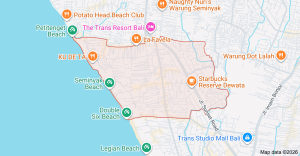
Seminyak is the version of Bali most people picture before they ever book a flight, all beach clubs, boutique shopping and restaurants that would not look out of place in Sydney or London. Traffic on the main roads turns relentless by late afternoon, and the beach itself gets busy rather than peaceful. A polished, walkable base with a spa and a decent coffee nearby is exactly what this area delivers, though anyone chasing quiet should look further down this list.
Expect around thirty to forty minutes from the airport depending on traffic, with stays running from boutique hotels through to beachfront resorts, generally mid-range to expensive.
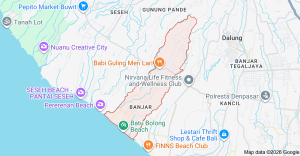
Canggu built its reputation on surf and coffee, and it has grown fast enough that Pererenan next door now absorbs a lot of the overflow while keeping a touch more of the rice field views that first drew people here. Surfers, remote workers and anyone chasing a genuine community of fellow travellers will find exactly that, given how developed the cafe and co-working scene has become. Walkability is the trade-off, since the area has sprawled faster than the roads have kept pace with, so an easy stroll to dinner is rarely on the cards.
The transfer from the airport runs forty-five minutes to an hour, and stays span everything from simple guesthouses to high-end villas.

Uluwatu and the wider Bukit peninsula trade Canggu's flat sprawl for dramatic limestone cliffs, some of the island's best surf breaks, and beach clubs that lean on the scenery rather than compete with it. Surfers chasing a specific break do well here, as do couples after a beach club afternoon with a view rather than a crowd. Walking to dinner is not really an option, since the area spreads out and taxis between clifftop spots add up fast.
Depending on which part of the Bukit you land in and same with Canggu and Pererenan, the airport sits anywhere from forty-five minutes to just over an hour away, and accommodation leans toward clifftop villas and resorts in the mid to upper price bands.

Jimbaran and Nusa Dua sit closest to the airport of anywhere on this list, and both trade personality for convenience, gated resorts, calm sheltered beaches and, in Jimbaran's case, genuinely excellent beachfront seafood grills at sunset. Families wanting an easy first or last night do particularly well here, along with anyone who values a short transfer over local character. A sense of place is what you sacrifice, since much of both areas is built around large international resorts rather than village life.
Fifteen to twenty-five minutes covers the drive from the airport, among the shortest on the island, and accommodation is almost entirely resorts, running mid-range to properly luxurious.
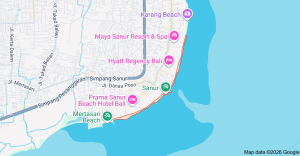
Sanur is the Bali that existed before most of the south got built up, a calm, old-fashioned beach town with shallow water, a long promenade and a slower pace than almost anywhere else on the coast. Families with young children, older travellers and first-timers after an easy, unintimidating base tend to settle in here without any trouble. Nightlife and surf are both absent, so look elsewhere if either matters to your trip.
Forty to forty-five minutes covers the drive from the airport, and stays run from simple guesthouses to boutique hotels, generally sitting in a comfortable moderate price band.
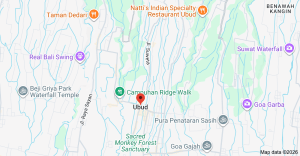
Ubud remains Bali's cultural centre, in the Gianyar regency, with all the rice terraces, temples, yoga studios and craft markets, though anyone who visited a decade ago will notice how much busier the centre has become. Travellers focused on wellness, culture and green scenery gravitate here naturally, provided they do not mind sharing it with plenty of other people doing the same thing. A beach is not part of the deal, and the traffic that now clogs the main roads through town most afternoons can test anyone's patience.
The drive in from the airport runs an hour to ninety minutes, and stays span an enormous range, from simple guesthouses to some of the most photographed jungle villas in Asia.
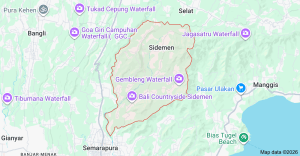
Sidemen and the wider Selat valley sit in the rice terraces beneath Mount Agung, close enough to Ubud to visit for a day but different enough in character that most people who make the trip end up wishing they had stayed longer. Travellers after rice terraces and mountain views without the queues, plus genuine village life rather than a tourist strip, tend to fall for this valley hard. A beach within walking distance is the one thing it cannot offer, since the coast is a proper drive from here.
The transfer from the airport takes around two hours, and stays lean toward private villas and bamboo houses, with fewer budget options than the south but real value for what you get. Where to stay in the valley goes into this in more depth if you are weighing it against the rest of the guide.

Amed strings a handful of fishing villages along Bali's dry, black sand east coast, and it has stayed low-key even as the rest of the island filled in around it. Divers and snorkellers drawn to the coral and wreck diving nearby find exactly what they came for, along with anyone happy to trade beach clubs for a slower, saltier kind of quiet. Lively nightlife and soft white sand are both off the table here, so temper expectations accordingly.
The airport sits a good two and a half to three hours away, among the longest transfers on the island, and accommodation leans toward simple beachfront guesthouses with a handful of boutique dive-focused stays.
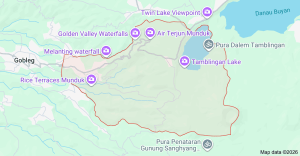
Munduk sits high in Bali's central mountains, a coffee and clove growing village wrapped in cloud forest, waterfalls and a noticeably cooler climate than anywhere on the coast, close enough to Lovina's black sand coast for a day trip down the other side of the mountain. Hikers, coffee lovers and honeymooners after a genuine change of scenery rather than another beach settle in easily. A long transfer is the price of admission, and it sits furthest from the airport of any area on this list, so short trips rarely make it this far.
The drive takes around three hours, and stays are mostly small lodges and guesthouses, comfortable rather than luxurious, in a moderate price band.
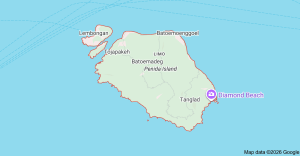
Nusa Penida is technically a separate island, reached by fast boat rather than road, and its dramatic cliff top viewpoints have made it one of the most photographed places in Bali over the past decade. Travellers chasing those specific views and decent snorkelling do not seem to mind the rough roads and boat crossing it takes to get here. Easy comfort is the trade-off, since infrastructure still lags well behind the main island. Getting there means a drive to Sanur harbour of around forty minutes followed by a fast boat crossing of roughly forty-five minutes, and stays run from basic guesthouses to a growing number of boutique clifftop stays.
Before the type of trip recommendations below, here is how the ten areas stack up next to each other.
| Area | Vibe | Beach | Nightlife | Nature | Crowd Level | Airport Time | Best For |
| Seminyak | Polished beach glamour | Sandy, popular | High | Limited | High | 30 to 40 min | Restaurants, spas, easy luxury |
| Canggu & Pererenan | Surf and cafe culture | Sandy, surf breaks | High | Rice fields nearby | High | 45 to 60 min | Surfers, remote workers |
| Uluwatu & the Bukit | Clifftop and dramatic | Hidden coves | Moderate | Clifftop scenery | Moderate to high | 45 to 70 min | Surfers, scenic couples |
| Jimbaran & Nusa Dua | Calm resort belt | Sandy, sheltered | Low | Manicured resorts | Moderate | 15 to 25 min | Families, easy transfers |
| Sanur | Gentle, old-fashioned Bali | Calm, shallow | Low | Coastal promenade | Low to moderate | 40 to 45 min | Families, first-timers |
| Ubud | Jungle, culture, yoga | None, inland | Low to moderate | Rice terraces, jungle | High in the centre | 60 to 90 min | Wellness, culture seekers |
| Sidemen & East Bali | Valley under Agung | None, inland | Very low | Rice terraces, volcano | Low | About 2 hours | Quiet, nature, privacy |
| Amed & the East Coast | Black sand, slow coast | Black sand, diving | Very low | Coral reefs, wrecks | Low | 2.5 to 3 hours | Divers, slow travel |
| Munduk & the North | Mountain village, cool air | None, inland | Very low | Waterfalls, lakes, coffee | Low | About 3 hours | Hikers, cool climate |
| Nusa Penida | Dramatic cliffs, island life | Cliffside coves | Low | Cliffs, snorkelling | Moderate on viewpoints | Drive plus boat | Day trips, cliff views |
Matching an area to the trip you are actually taking usually settles the decision faster than reading every area guide online.
If this is your first trip to Bali, Seminyak or Ubud make the easiest bases, since both are well set up for newcomers with plenty of restaurants, easy transport and other travellers around if you want company. A short split between the two, a few days of beach and comfort followed by a few days of rice terraces and temples, gives a fair first impression of both sides of the island without overcommitting to either.
Couples tend to do best somewhere with a bit of built-in privacy, which usually points toward Uluwatu for clifftop drama or the Sidemen valley for something quieter and more secluded. If a honeymoon or anniversary is the occasion, a Bali honeymoon in the east leans further into that privacy than almost anywhere else on the island.
Families generally do best in Jimbaran, Nusa Dua or Sanur, where calm water, short transfers and resort infrastructure take a lot of the stress out of travelling with children. For families who want more space and privacy than a resort room offers, a private villa in the east works surprisingly well too, provided the two-hour transfer suits your patience.
Solo travellers usually gravitate toward Ubud or Canggu, both of which have enough of a community, yoga classes, co-working spaces, and communal cafe tables that meeting people happens without much effort. Either makes a comfortable, sociable base for a first solo trip to Southeast Asia.
Canggu and Uluwatu, along with the wider Bukit, cover most of the island's well-known breaks between them, making either a strong base for anyone chasing a short drive between spots. Canggu suits a more social, beginner-friendly scene, while the Bukit rewards travellers after specific, more advanced breaks.
Ubud remains the obvious answer for yoga and wellness, with more studios, retreats and healthy cafes than anywhere else on the island. For a quieter, less crowded version of the same idea, a stay in the east pairs morning yoga with rice terrace views and considerably fewer other people on the mat.
If quiet is the priority above everything else, East Bali is very hard to beat, and the section below goes into exactly why. Amed and Munduk are the other two honest answers, each trading a longer transfer for a genuinely slower pace than the south can offer.
Quiet places to stay in Bali all ask you to give up the same thing, proximity, in exchange for the same reward, space. The Sidemen valley beneath Mount Agung is the most complete version of this trade: rice terraces, mountain air and a real working village, roughly two hours from the airport and worlds away from it in feel.
Amed offers a similar trade along the coast instead of the mountains, a string of quiet fishing villages with good diving and very little else going on after dark. Munduk sits higher and cooler again, a coffee-growing village in the central mountains that very few short trip itineraries ever reach. Balian, on the southwest coast, gives surfers a quieter alternative to Canggu without the mountain drive east, while the western side of Nusa Penida trades the island's busiest viewpoints for a slower pace once the day trip boats have gone home.
What quiet costs you is straightforward: fewer restaurants within walking distance, longer transfers, and less choice if your plans change on the fly.
In return, you get real silence at night, roads without traffic, and about as far off the beaten track as Bali still allows. Our guide to Bali's hidden gems digs further into the areas that consistently deliver this, and these quieter beaches are good ones to bookmark if the coast still matters to you.
This is the one section in this guide where we are not pretending to be neutral, because Sidemen in the Karangasem regency is where we actually built our houses, and we think the reasons are worth stating plainly rather than dressed up as objectivity.
The rice terraces here are just as striking as anything around Ubud, without the queue of people waiting for the same photograph. Mount Agung dominates the skyline on a clear morning in a way that photographs never quite capture, and Besakih, Bali's largest and most revered temple, sits on its southern slopes rather than being folded into a bus tour itinerary.
More than 70% of Bali's tourism infrastructure, hotels, restaurants and everything built around them, sits in the south of the island according to recent regional research, which goes some way to explaining why this valley still feels like farmland with a handful of houses in it rather than a resort strip.
The valley is still a working village, with rice farmers out at dawn and temple ceremonies that happen because the community needs them, not because visitors are watching. All of that sits around two hours from the airport, further than the south but reachable within a single afternoon.
Which house suits you here depends mostly on who you are travelling with. Couples and first-time visitors to the valley usually lean toward the original two-storey bamboo house above the river, the house that started Hideout Bali and still sets the tone for everything since.
Families of up to six do well in a three-bedroom bamboo villa with a heated pool, built with enough separate space that a group trip does not mean living on top of each other. Anyone chasing the quietest version of all this, with nothing scheduled and nowhere to be, tends to end up in an enclosed jungle garden villa where nothing interrupts the day.
Beyond those three, our bamboo houses in the Sidemen valley cover a fuller range of layouts and price points, and things to do in Sidemen are worth reading once you have picked a date.
Most good Bali trips are not one area; they are two or three done properly, and how you split the nights matters more than which specific hotel you pick within each one.
Three nights in Seminyak or Canggu for the beach clubs and easy restaurants, then four nights in Sidemen for rice terraces, mountain air and a proper change of pace. It is enough time in each place to actually settle in rather than just passing through.
Three nights in Uluwatu or Canggu, three nights in Ubud for temples and rice terraces, then four nights in Sidemen to slow down properly before flying home. This is the split we would recommend to most first-time visitors with the time to spare.
Three nights in Seminyak, three nights in Ubud, five nights in Sidemen, and three nights somewhere further out: Amed for diving or Nusa Penida for the cliffs, depending on what you are chasing. Two weeks is enough time to see most of what Bali does well without feeling rushed at any point.
Choosing where to stay in Bali can be difficult when each area offers a different experience. Here are the practical answers to the questions travellers tend to ask when deciding which part of the island suits their trip.
Seminyak or Ubud are the easiest bases for a first trip, since both are well set up for newcomers with reliable transport, plenty of restaurants and other travellers around if you want company. A short split between the two gives a fair introduction to both the beach and the island's cultural centre without overcommitting to either.
Neither is objectively better; they simply do different jobs. Seminyak suits beach clubs, restaurants and an easy resort pace, while Ubud suits rice terraces, temples and yoga, with more traffic through the town centre than it used to have. Many first-time visitors end up splitting their trip between both.
The Sidemen valley in East Bali is the quietest complete answer, with rice terraces, mountain air and a real working village around two hours from the airport. Amed and Munduk offer similar quiet along the coast and in the mountains, each with a longer transfer in exchange for it.
Yes, particularly if rice terraces, Mount Agung and a genuine sense of place matter more to you than nightlife or a short airport transfer. It suits travellers who want the island itself rather than the beach club scene, and it is one of the few parts of Bali that still feels like a working landscape rather than a resort strip.
Two or three areas usually work best for anything over a week, since it balances variety against the time lost to packing and transfers. A single area suits a short trip of four or five nights, while anything longer than ten days comfortably supports a third stop without feeling rushed.
Sidemen sits around two hours from Ngurah Rai International Airport by road, further than the south coast but well within reach for a single afternoon transfer. The final stretch follows quieter rural roads as the route climbs into the valley beneath Mount Agung.


